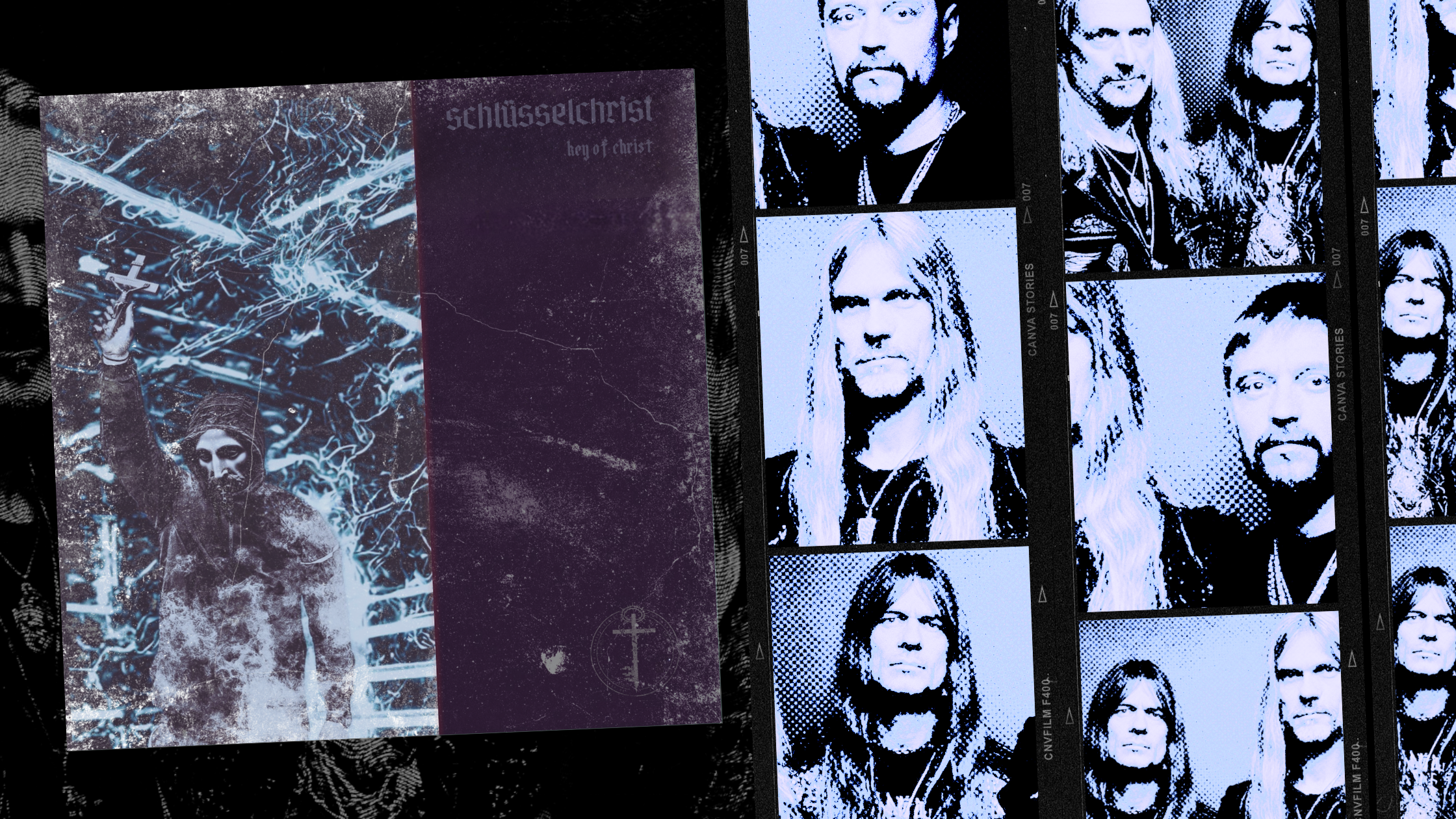
Inside The Noise Floor: Schlüsselchrist — Key Of Christ (SUB016)

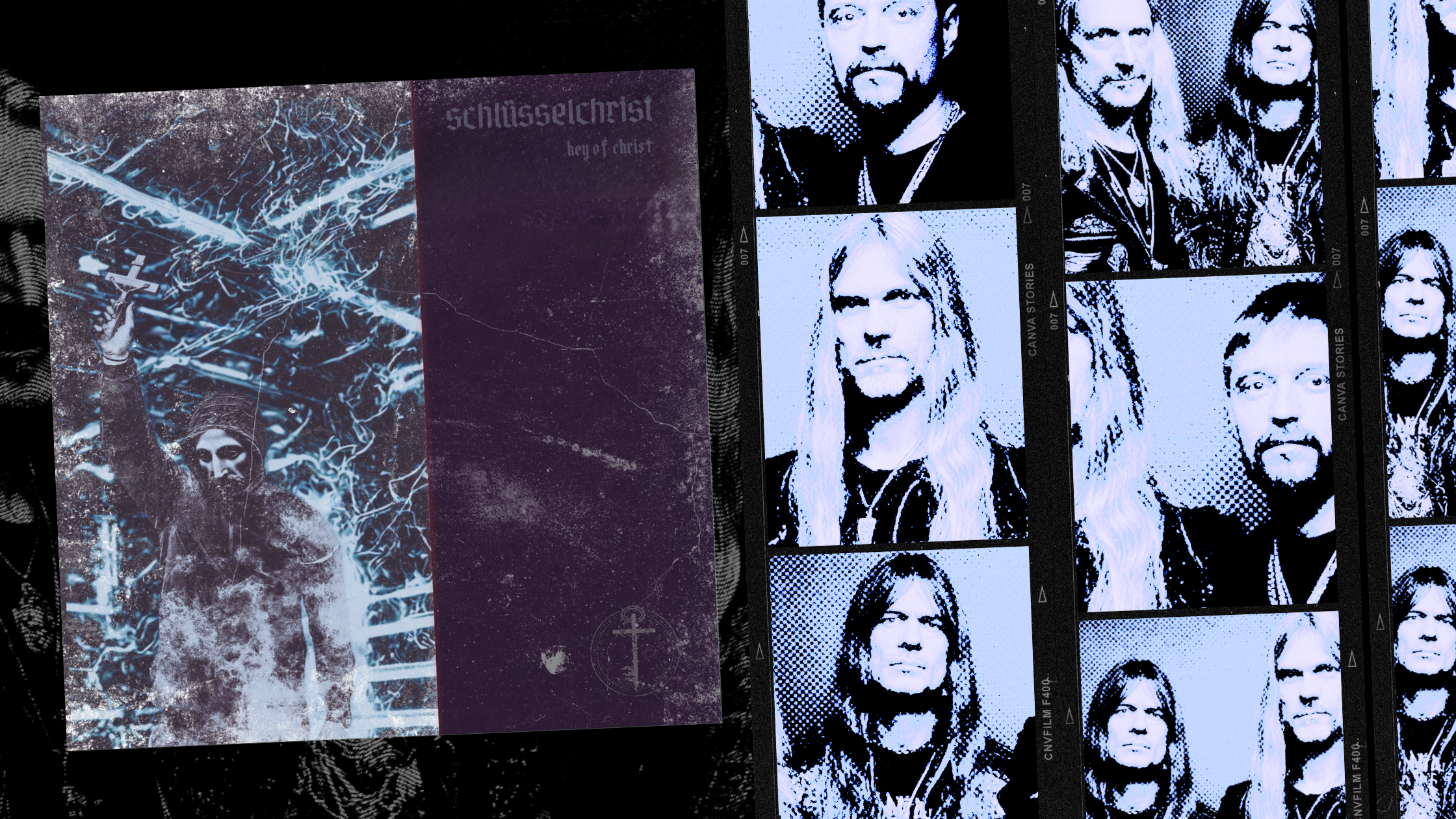
For Düsseldorf’s Schlüsselchrist, a decade of global angst curdled into libertarian doctrine: eight brutal tracks warning of technocracy, engineered belief, and our manipulated future.
Schlüsselchrist’s last statement, 2016’s Cathedral of Files, sketched a future of lockdown logic and engineered panic, with the Catholic Church cast as master manipulators. They caught heat for it. A decade later, they’ve got a new record and a longer list of enemies.
After that, the members scattered into the Düsseldorf meat grinder — shift work, fluorescent routines, and pressure that turns art into an after-hours compulsion. Drug addiction ran alongside the grind, with drummer Michael Raum and bassist Subdom (Max Müller) both submitting to Germany’s fentanyl crisis, requiring multiple rehab stints. All the while, the rise of the Fourth Industrial Revolution hummed along, calling for tighter restrictions, permission gates disguised as convenience, and a culture trained to accept monitoring as comfort. Key of Christ came out of that pressure — eight brutal tracks written with a clear objective: education.
Key of Christ carves warnings into a death metal backbone, speaking in commands and verdicts while dragging history’s lies into the poison spotlight. Time as engineering. Markets as extraction. Surveillance as atmosphere. Institutions as priesthood. A worldview built to punch hard and stay lodged.
“We serve under a system that refuses to ask for consent, bleeding us dry on a daily basis and expecting us to serve again tomorrow. And we do. How is this different to any abusive relationship?”
Despite attempts to “lighten up”, Schlüsselchrist keep snapping back to policy: clandestine authority, behavior shaped by defaults, attention harvested and resold as participation, scheduled crisis to keep people compliant. The record raises its targets as emblems and silhouettes: Palantir, BlackRock, the Federal Reserve, the World Economic Forum, the City of London Corporation, the Bilderberg Group, the World Health Organization, and Vatican City, all icons of concentrated influence, perched on the altar of finance, governance, and managed reality.
Key of Christ is death metal at the core. The riffs carry rot and violence, backed by power metal scale, hardcore punk urgency, and prog-metal structure. The pacing stays deliberate. Impact. Choke. Pressure. Acceleration until the floor caves in. The band keep their influences in the open. The Exploited bring hostility. Godflesh bring weight. Death bring discipline. Chrome bring paranoid futurism. Kreator and Grave Digger bring the German steel that pushed Schlüsselchrist into existence. The payoff is range with intent. Blunt violence, hard turns, anthemic lift. Locked, pulverized, set loose.
Recorded at Kral Studios in Düsseldorf’s Flingern neighborhood, and engineered by guitarist and lyricist Wolfgang Völker, the album hits with more spark and clarity than Cathedral of Files while keeping its grit intact.
“On an album built around dense lyrical content, separation around each note matters. The words need to cut deep.”
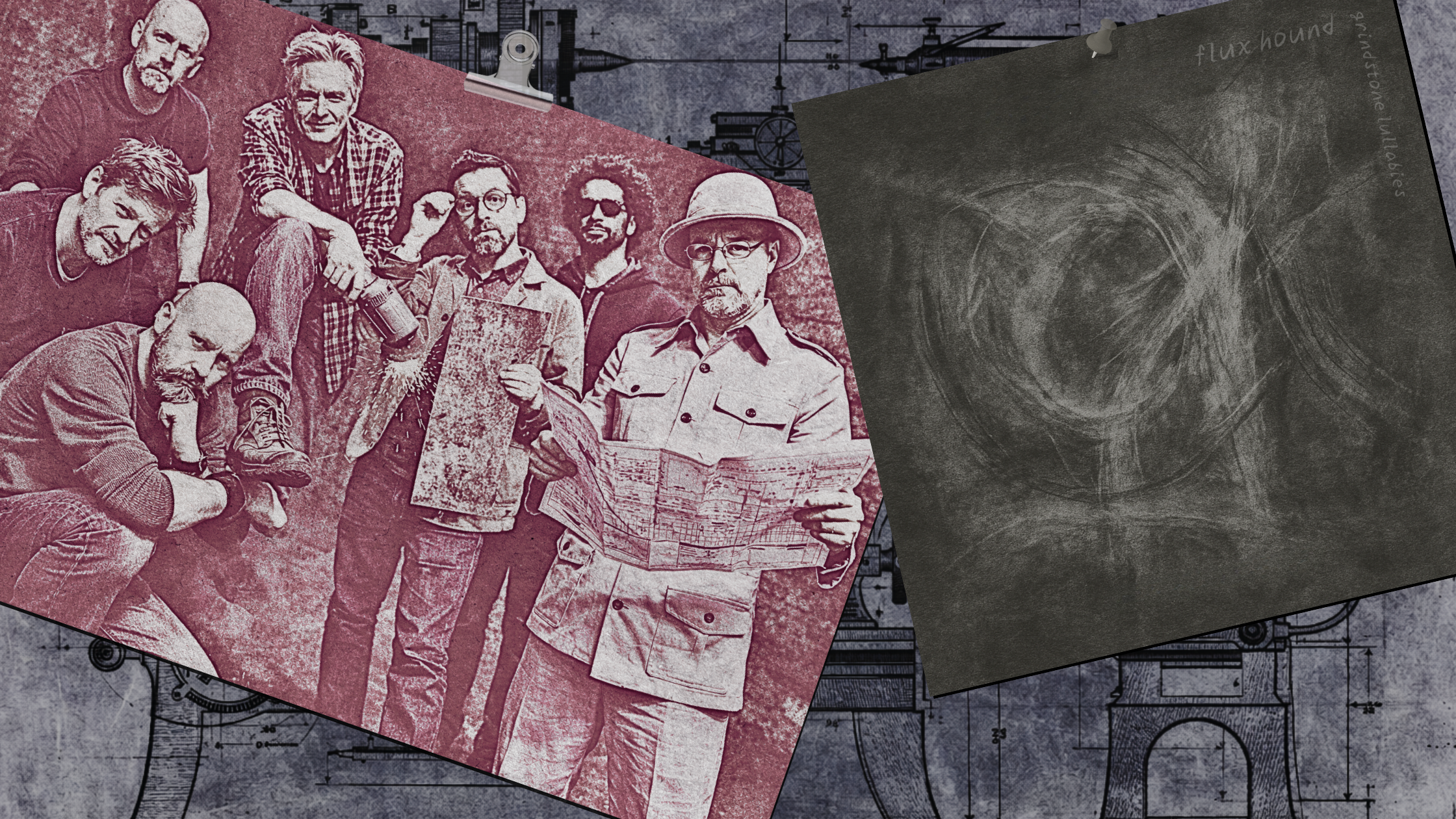
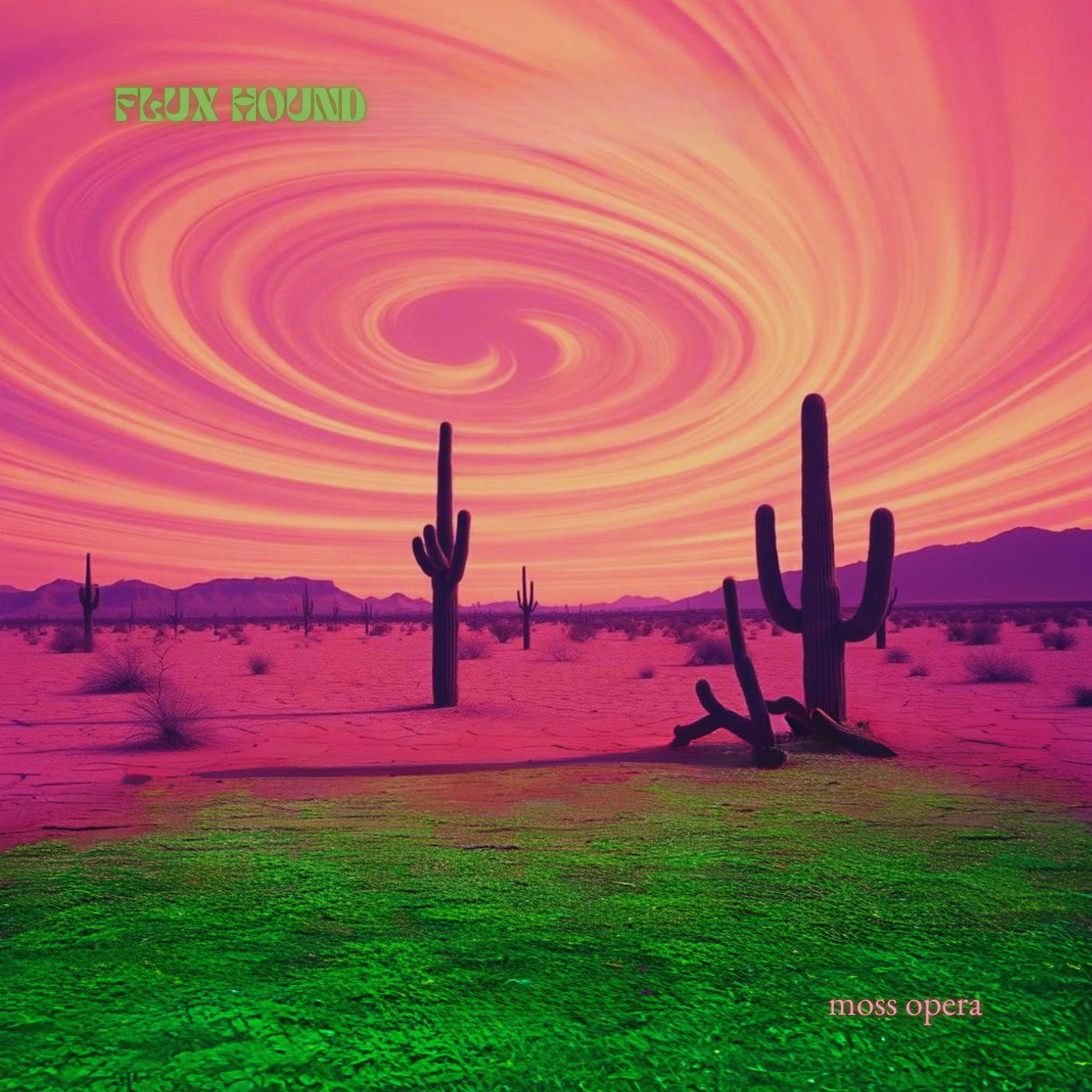
Schlüsselchrist collaborator Rose Hamill returns on cello, fresh off the Moss Opera sessions with Melbourne’s Flux Hound. After leaving her frost on Cathedral of Files, she brings the ice again, sharpening the emotional blade across tracks Lamb Of Data, Hollow Priest, and the jagged quirk of Dein Keeper.
Imagery and language drive the Key of Christ creeptopia as hard as the riffs. The band strip ideology straight out of The Fourth Industrial Revolution by Klaus Schwab, future-talk that treats society as an engineering project and people as components. Die Wolke by Gudrun Pausewang feeds the record’s cold dread, while Technocracy Rising by Patrick Wood sits beneath the album’s fixation on grids, metrics, and behavior management. The band also pull from Industrial Society and Its Future by Ted Kaczynski for its core critique of technological systems trending toward control and shrinking personal autonomy. The critique is the fuel. The violence is the dead end.
Opening track Lamb of Data frames technology as a gatekeeper god, a system that grants access and takes consent as a given. Dein Keeper turns its focus to timekeeping, treating the Gregorian calendar as a control instrument that schedules bodies and smooths labour into predictable units. Lead singer Vin Berlin puts it bluntly: “You can’t just alter time. Time alters you.”
Hardcore trudge Boom Bust Burn treats economics as managed collapse and planned scarcity, cycles that keep us hungry and obedient. The Island erupts straight after, fast and feral, piecing together the Federal Reserve origin as a backroom birth story with infinite consequences.
Schlüsselchrist set the template for future recording; quantity out, impact in. The focus is stunning, the catharsis outrageous. A decade of pressure. And they say truth is dead.
Key of Christ is out now on Substatik Recordings via Bandcamp, and includes high-resolution PDF documents of the front and back covers, the complete gatefold document, inner sleeve visuals, and the full lyric sheets. Print and archive — the future thanks you in advance.
substatik radio >>Check Out These Hand-Bled Substatik Recordings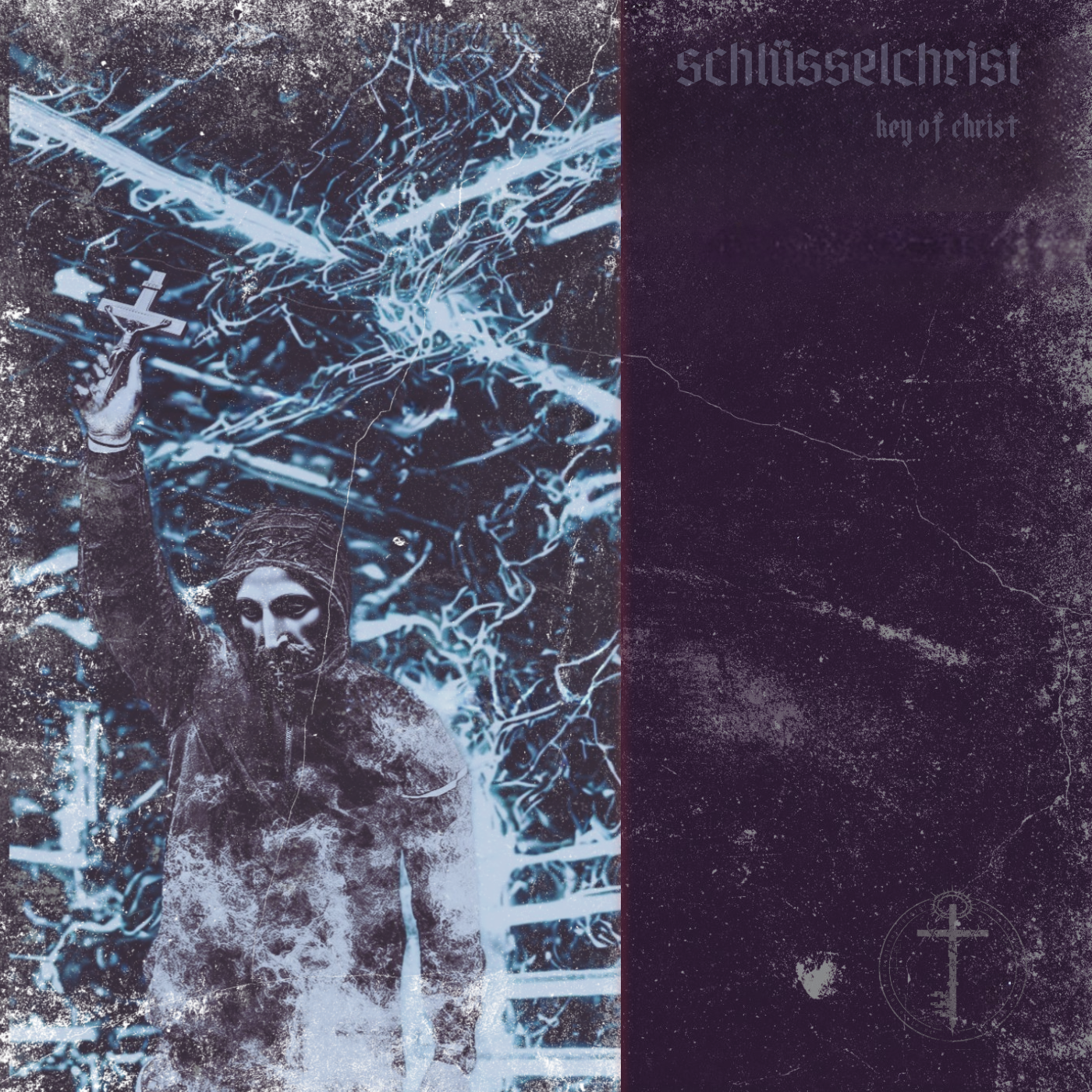
© Substatik Press