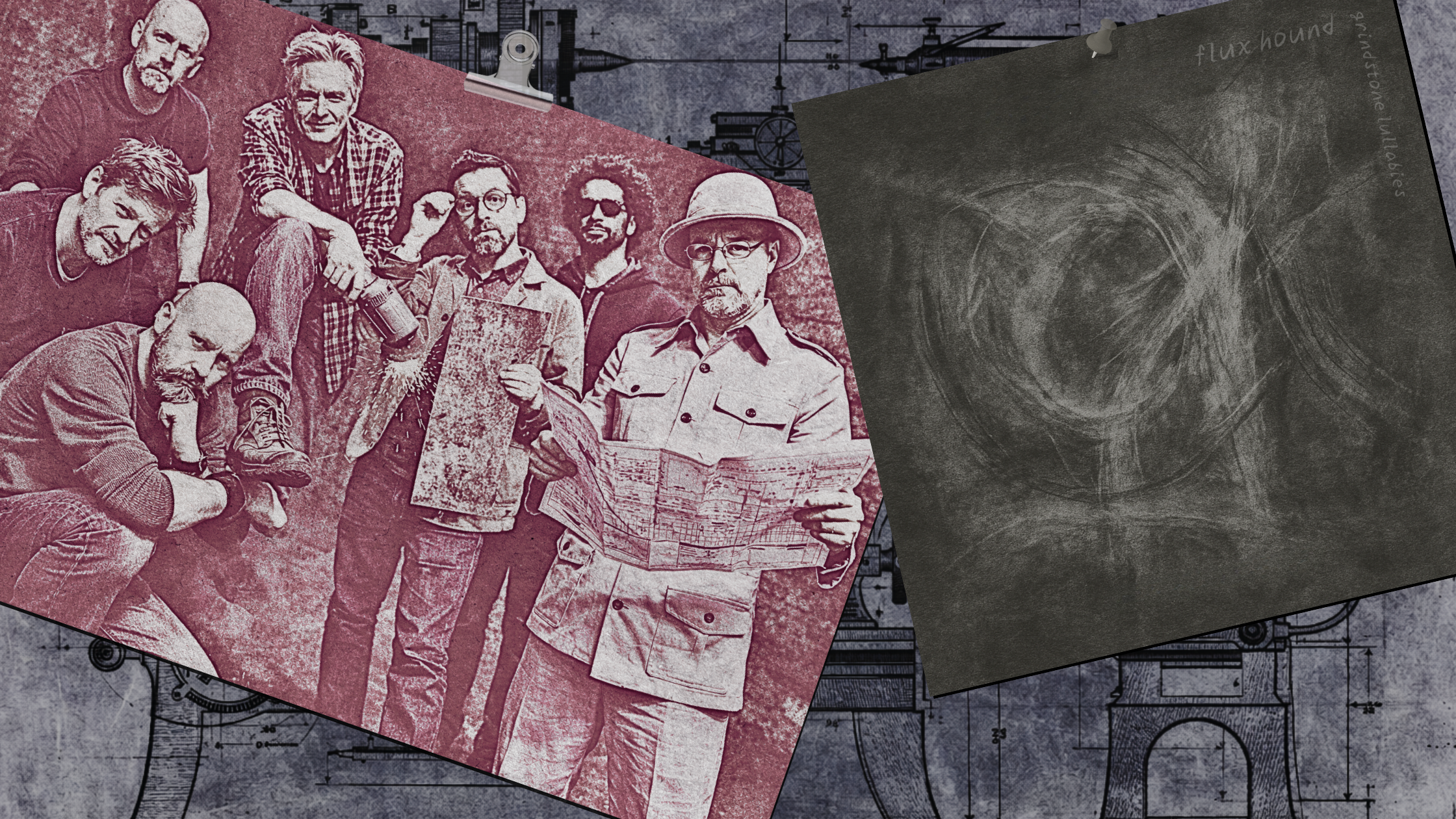
Inside The Noise Floor: Flux Hound —Grindstone Lullabies (SUB008)

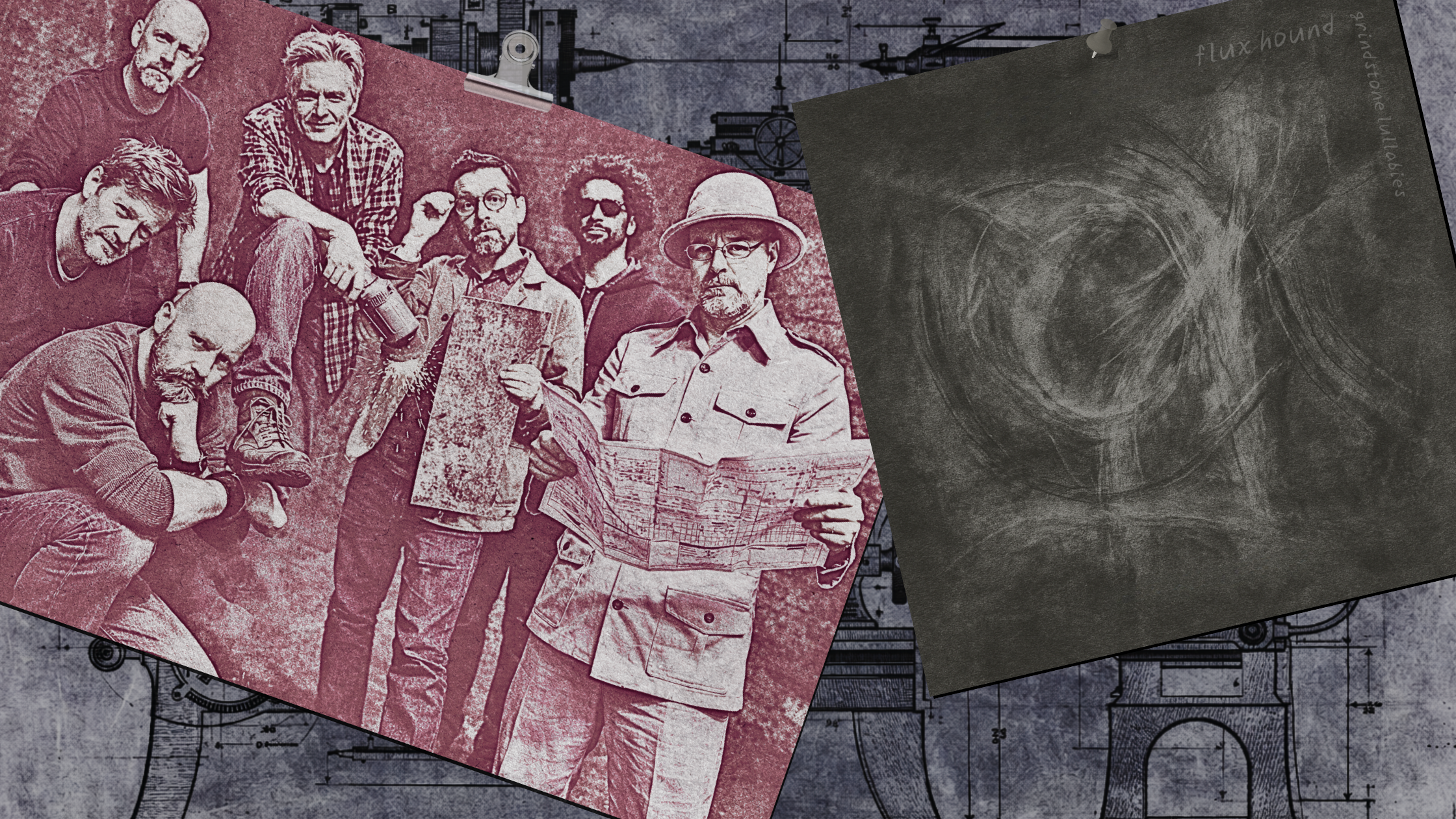
True to form, Flux Hound’s latest release pulls the thread on 1850s workmanship, soundtracking a system of toil, decay, and the romance of manual labor.
There’s a yard out past the mill where the grindstone sleeps. You can hear it breathe when the air is thick and the fog is smoke. Cracked clean through. Rough as riverbones. The kind of silence that hums with work left undone. That’s where Flux Hound built Grindstone Lullabies — not in a studio, but in the long slow rhythm of repetition.
This is the record of the laborer. Not the romanticized kind, but the real thing. Knuckles split, air dry with dust, machines wheezing through the night. The songs document the work. Each piece a residue of some physical act. The bend. The weld, the file. The grind. Eventually, the sound itself becomes effort.
“We ended up recording like this was machinist gospel. Everything slow, deliberate, built on friction. Floored basslines, raspy guitars, and trashcan drums. Nothing in those sessions was clean, just a repeated function.”
Each of Grindstone Lullabies’ nine tracks are steps in a blueprint: Plan, Clamp, Grind, Weld, Bolt, File, Flux, Crank, Rest. An evening of work compressed into 40 minutes. Repeat until it becomes ritual. This is Flux Hound to the core.
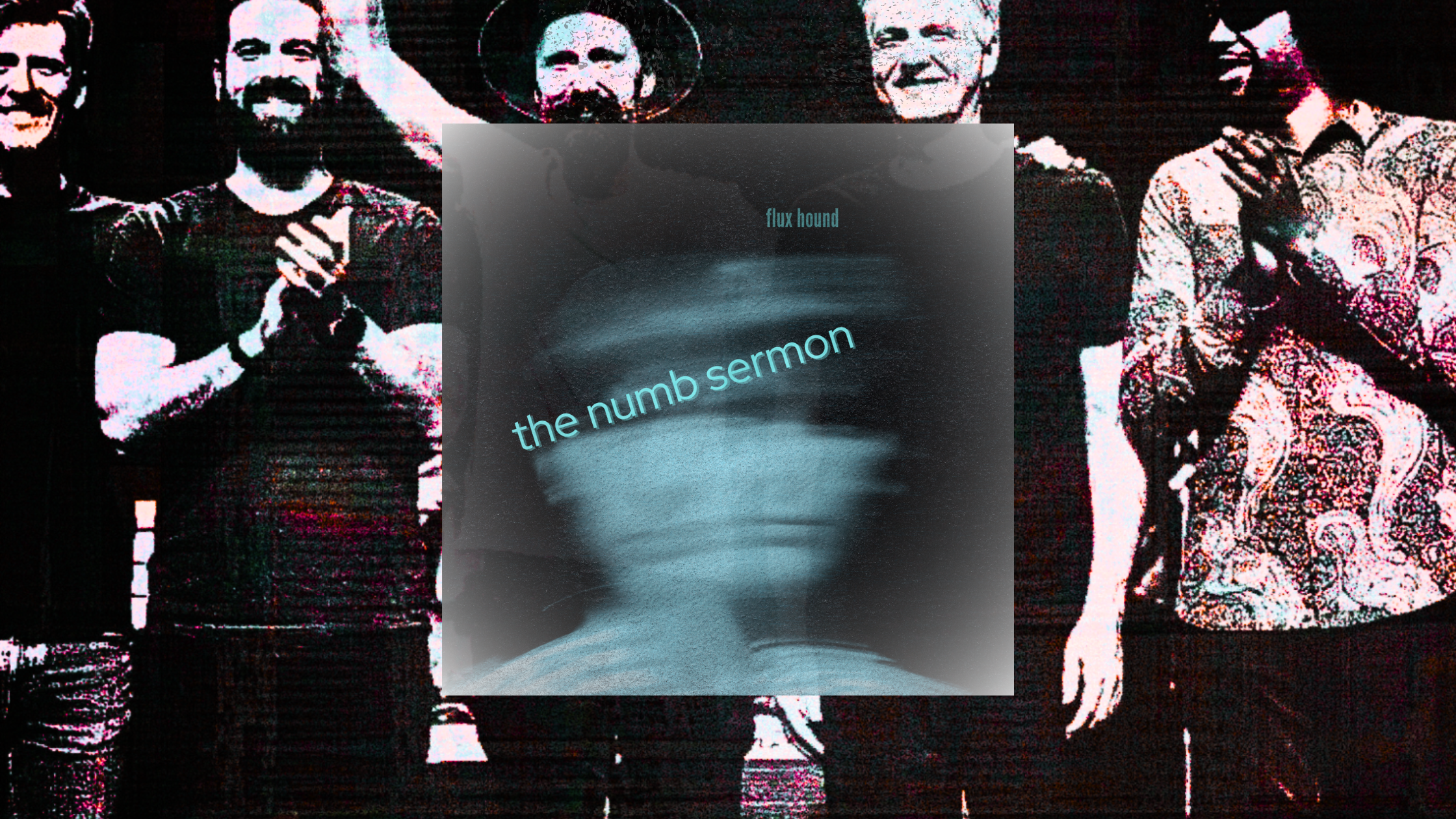
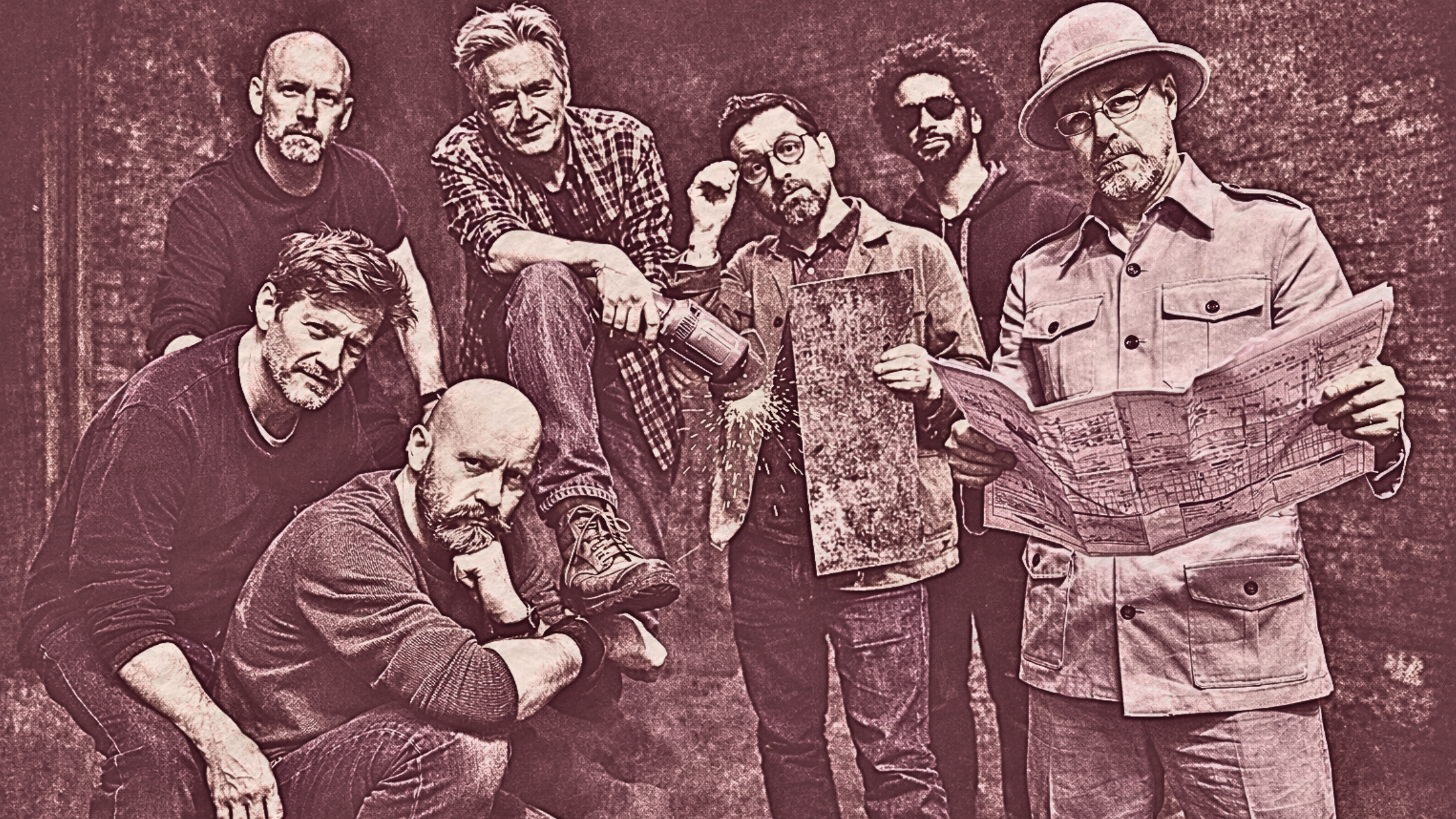
Amid the grind and the mechanical pulse, a modicum of beauty swirls through each tune, reminding us of the human behind the tools. A stark contrast to Flux Hound’s first three recordings (2016’s Demolished Man, 2018’s The Numb Sermon, and 2019’s Blood Tuning) Grindstone Lullabies is built on restraint. The cigar-club bass of Fisher Evans, as at home on any Tom Wait’s record as it is here, unceremoniously cuts the ribbon on the opening tracks Plan and Clamp, with the rustling of paper and the clearing of a throat signifying that this is indeed a serious night’s work ahead.
A spanner drops on the concrete.
Also unlike other Flux Hound recordings, it is that Ezra Columbus Roland FP-10 piano that provides Grindstone Lullabies its continuum, allowing the bass space to dramatize, the Virgil Brock sax/theremin combo to incite, and the barely audible guitars of Zachery Bryan and Stewart McClure to texturize, while drummer James “Jimbo” Tagg brings the crisp night air with a hi-end cymbal/hi-hat mix to die for.
Is that an old man muttering incomprehensibly?
A grindstone spins its daily bread.
By track 4, the post rock-ish Weld, the project is in full swing. It feels like midnight in the shed; sweat, cigarette ash, cuts and bruises, a kerosene lamp flickering as the grindstone chug-a-lugs to a hypnotic groove, and it is here, beneath the exquisite field recordings of welders and presses, that the two guitarists begin to shine. All feedback and haunting tremolo, the strings add an urgency not yet heard on the album.
A fly buzzes around the workshop.
Grindstone Lullabies’ magnum opus is File. Definitively. the clickety-clack of whatever the hell that field recording is fuses the track into one tight nod to industrial experimental avant garde, should that indeed be an existing genre. This is the 2am burst of energy. Over the hump and in the home stretch. Soon, you’ll be inside drinking a breakfast of champions and a smoking a cigarette. Not before a little bit of hacksawing though.
It truly is, however, a remarkable handover of ego by Zach Bryan and “Digger” McClure, having relinquished the traditional top spot in the mixing hierarchy for guitar, sacrificing their roles down low in the mix for the sake of authenticity. Even recurring special guest Rose Hamill sits up a rung with her utterly compelling violin solo in Flux, reminding us of the creep in the still night air as the mind starts to wander. The kerosine is running low, the insects are surrounding, is that a bear outside? A burglar? Just the trees.
Another spanner hits the floor.
The oddest moment on the record also happens to be the most gorgeously intrusive. Track 8, Crank, is simply strange with an exquisite Ezra Columbus piano solo, a sax/trombone stand-off, and the raucous stomp of metallic percussion dueling with a rusty crank in rhythmic use. The pride in the workmanship seeps through here, an ode to human persistence in the wake of indifferent noise of machinery. It’s steel and stone under incandescent light: cold, bruised, an expression of brutality turned into magnificent, functional art.
Of course, it wouldn’t be a Flux Hound album without the obligatory barking dog, a deliberate addition scattered across their discography at the behest of Zachery Bryan because… well, he likes dogs. On the final track Rest, the barking dog indicates the sun has risen. Job’s over. You’re tired, you’re mumbling incoherently, you light a cigarette and crack open a beer in the hope the wife sleeps just a little longer. The alone time upon completion of a project is a rite of passage where man contemplates triumph over adversity, providing the soul a philosophical upgrade, and a brag to less dextrous friends.

But even in rest, the machine doesn’t stop. The world still hums, entropy begins with the new, continues with the old, and the faint wheeze and static of Grindstone Lullabies still circles the edge of hearing. What set out to be another Flux Hound concept record ended up in their own triumph: philosophy and labor converted to tactile sound from the pulse of seasoned men who know the only way out is through. Rhythm, motion, inertia, machine, shed, world. The grind continues elsewhere. The wheel turns without you. The universe hums on.
And within that hum, exists the primal joy of damn good music.
Grindstone Lullabies is out now on Bandcamp, and includes high-res PDFs of front and back covers, gatefold, inner sleeves, and blueprints.
Flux Hound Instagram is weird — instagram.com/flux_hound
substatik radio >>
Check Out These Hand-Bled Substatik Recordings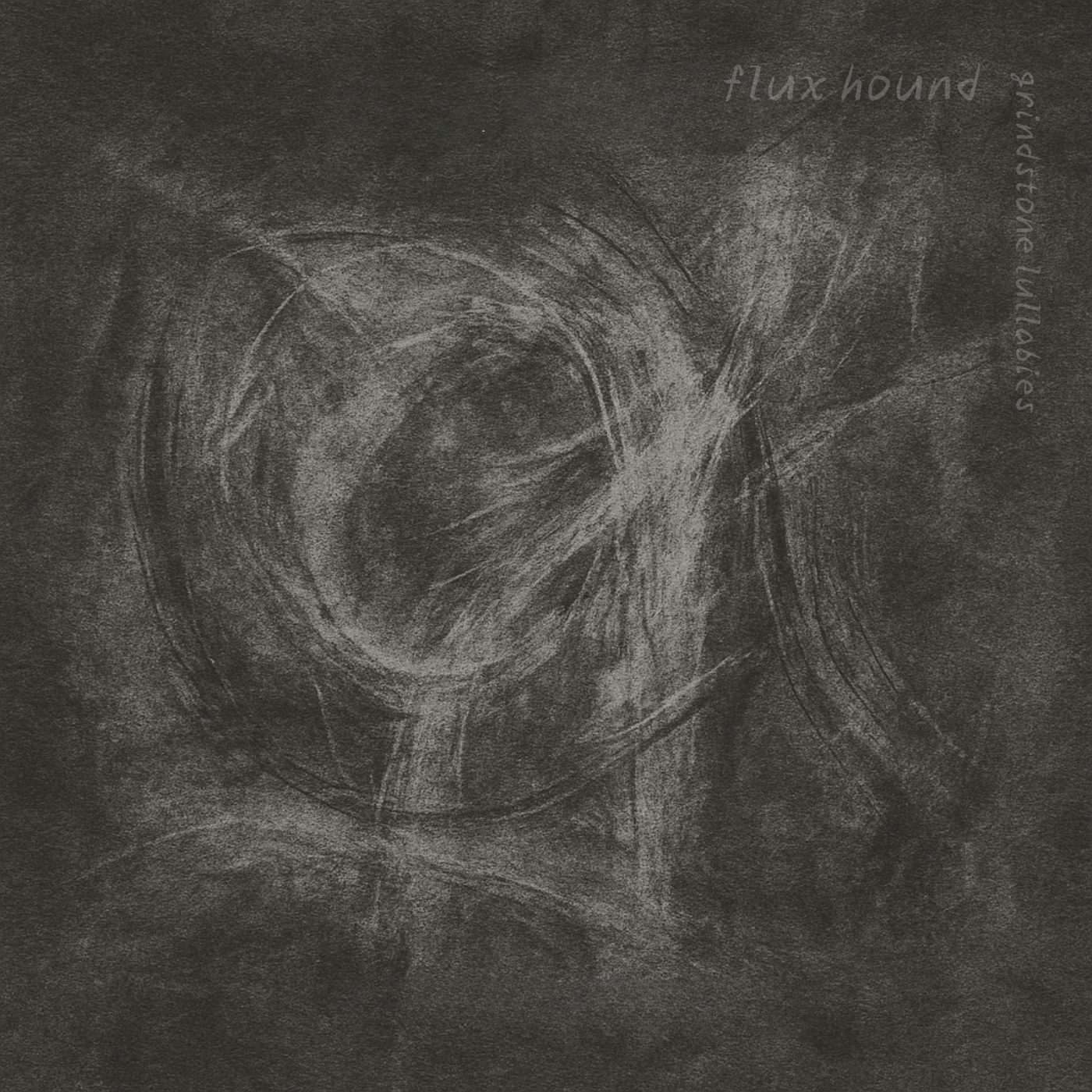

© Substatik Press